


The idea that professional software must be expensive is deeply ingrained, largely because many commercial tools market themselves as indispensable. Nevertheless, the open-source world has evolved to the extent that there are tools which are unknown to the public and offer the same services for free and even better than for-pay services. I have been paying for many years for numerous tools and replaced a few with open-source ones and found them to be very efficient.
A Brief Guide to Construction Jobs
Related searches
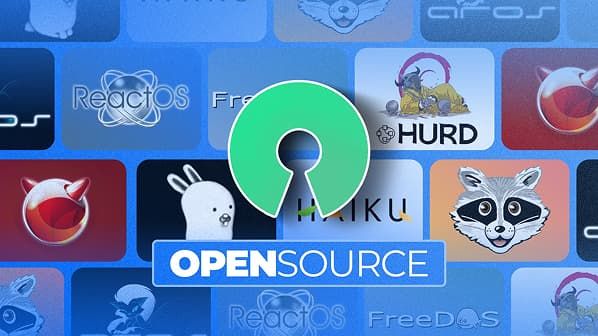
Super Productivity: One App Instead of Three Subscriptions
There were several different applications I paid for in my workflow for managing tasks that were consolidated by Super Productivity. The tool replaced a paid to-do list manager, a kanban board application, and a manual time-tracking solution in one shot. The cross-platform, open-source desktop application integrates task lists, project management views, and built-in time management utilizing tasks that must not be entered into inflexible workflows. The application also features subtasks, estimated work times, and work-time tracking that generates intelligent reports without extra analytics applications and costs.
What makes Super Productivity truly effective, though, is how well these elements are intertwined. Time entry is directly tied to tasks, so that entering time is its own separate task, which makes reviewing upcoming workload a much easier process. It also has world keyboard shortcuts, offline access, and device linking. It does not lock uses of core functionality to paid versions of itself, which is a very common trait of productivity apps that charge money.
Mailspring: A Serious Email Client Without Enterprise Pricing
What is surprising about e-mail clients is how costly they can become as one is seeking more sophisticated functionality. Mailspring is what I used to handle e-mail on my desktop PC prior to switching to this solution. As it is open-source software, there is no restriction on how many accounts one can run using different e-mail providers such as Gmail or Outlook.
One of the most attractive features of the app is the integrated message tracking function, letting users know when an email has been opened and when a link has been clicked. This type of function is normally exclusive to online marketing services that charge for business email services, and the fact that it is incorporated into the Mailspring app is quite impressive. Other notable features that the application has to offer include full-text search, thread grouping, and customize-able layout. The source code is open and transparent.
Syncthing: Replacing Cloud Storage With Direct Control
Cloud storage solutions are practical. They also involve ongoing fees and storage space constraints. Syncthing has offered a much different approach to replace my paid file-sync subscription. Rather than transferring files to third-party servers, Syncthing synchronizes files folders to devices through encrypted peer-to-peer connections. Changes are reflected across designated computers instantly.
What this meant in terms of functionality was the ability to keep big project folders, media libraries, and documents in perfect synchronization between my laptop and desktop computers without incurring a monthly charge. There are no limitations on the amount of data one can store, nor does one have to rely on the Internet availability of the cloud service of the vendor of choice. While one had to initially configure the devices to work in concert with each other, there was no hassle in functionality. Syncthing changed the way I utilized the cloud by becoming less reliant on the cloud and more of a data owner.
Why These Tools Matter More Than Their Price
What these applications share in common is that they are not only free, but they can also be considered sustainable. They all replaced a paid service since they provide solutions to very particular needs. They show that it is possible for open-source software applications to provide a certain level of reliability. In a world where everything has a price, such applications show that it is possible to provide value without charging a fee.
If users are ready to learn new tools, the projects present long-term payoffs, more freedom, and more autonomy. These projects show the power of well-designed software to compete with proprietary platforms on the same level.
< Prev
Next >
Guess you like
-

Electric Trucks Falter in the U.S. — The High-Stakes Struggle Behind the Wheels
-
Three Budget-Friendly Open-Source Replacements of My Purchased Apps
-

How to Protect Your Smart Home from Hackers in 2025
-

Beyond The Basics: Eight Safari Tricks That Actually Matter
-
Google Brings AI Formula Help to Sheets
-

Bring Back Clear Dialogue: Three Samsung TV Settings That Make Speech Easy to Hear
Trending
-
 1
1Six Hidden Features Transforming Your Opera Daily Browsing
-
 2
2Forza Horizon Six Welcomes Veteran Drivers With Elite Supercars
-
 3
3The Dawn Of DeepSeek V4: Reshaping The AI Landscape Against Industry Giants
-
 4
4Samsung Transforms OLED With Glasses Free Three Dimensional Technology
-
 5
5Unleashing Hidden Speed on Your Modern Sony Console
-
 6
6Canva Transforms Daily Workflows Through Seamless Connectivity