


A misfire in one of the engine cylinders takes place as a result of a failure in the burning process. This can either be incomplete or not taking place at all. While the engine should be delivering steady power outputs, it will instead jerk or misfire. The condition manifests itself in the engine idling roughly or flashing the engine light in vehicles. Misfires do not just happen but are a result of some failures in engine systems. Knowledge about the actual causes of misfires in engines will help faster action on the part of the driver to limit damage.
A Brief Guide to Construction Jobs
Related searches
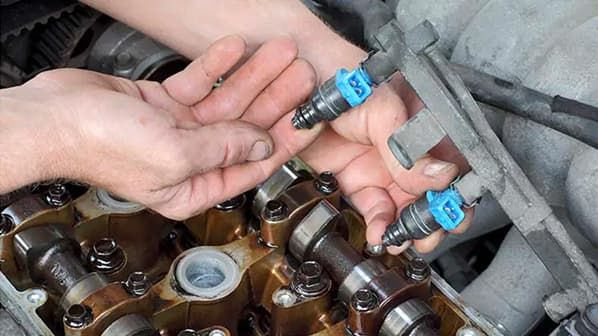
Ignition Failure Causing Inadequate Spark Creation
The ignition system is designed to produce a correctly timed spark that is strong enough to ignite the air-fuel charge in each cylinder. The spark plugs will wear out as their electrodes wear away, thus widening the gap that the spark has to jump across. The spark may not ignite if there is too large a gap or if fouling with carbon or oil accumulates on the spark plugs. Modern cars require two extra components related to their fuel systems, namely the ignition coils, which provide a high voltage to operate the spark plugs efficiently, and a malfunctioning one can randomly dropout when it is hot.
Fuel Delivery Issues Depriving the Combustion Process
Even with a good spark, the engine cannot properly fire the cylinder unless the proper amount of fuel is also present. The fuel injectors are meant to create a fine spray of fuel, but deposits left behind from poor fuel quality and/or infrequent fuel system service can build up and clog the injector nozzles. These nozzles become partially closed, reducing the fuel amount to create a lean mixture that will not combust. A problem with the fuel system as a whole, be it a weak fuel pump and/or restricted fuel filter, can also reduce the pressure on the rest of the cylinders. Typically, issues with the fuel system can be tested for with the check of the fuel pressure and the balance tests of the injectors.
Compression and Mechanical Timing Issues
Compression in the cylinder is what helps the mixture of air and fuel ignite strongly. It will be impossible for ignition to happen if the leaked compression is not restored. Some possible causes include wearing out of the piston rings, valves, and blowing out of the head gasket. All these cause the loss of compression. The other parts that play important roles include the timing chain and the timing belt. Any long timing chain or missing timing belt may lead to the opening and closing of valves at the wrong time causing lack of proper compression even when other parts are in good condition. These problems are checked by technicians with the help of compression or leak-down tests. Repairs are more intricate and expensive, yet reducing mechanical faults is necessary, which will prevent the damage of the engine irreparably.
Sensor and ECU Errors that Interfere with Control
In modern engines, sensors must be in continuous communication with the engine control unit to determine fuel injection levels and spark times. The mass airflow sensor, oxygen sensors or crankshaft position sensor can deteriorate over time and provide incorrect data. In case this occurs, the ECU can provide wrong timing or fuel ratios and lead to continuous misfires. Electronic diagnostics play an important role here scan tools will detect fault code, and abnormal live data. Correcting electronic induced misfires is also usually fixed through replacement of faulty sensors or replacement of ECU software, often before mechanical intervention is required.
Importance of Taking Immediate Action
There are Misfires not only affect the comfort level of driving a car, but they can also cause other problems. The unburned fuel can seep into the exhaust parts, causing the catalytic converter to overheat, resulting in expensive repairs being required for the emission system. Misfires can also accelerate wear and tear on the engine, as well as raise the rate of fuel consumption. It is most advisable to treat the problem when the signs are noticed to avoid affecting engine life.
In conclusion, cylinder misfires have four definite causes: misfires due to ignition, fuel problems, compression/timing problems, and problems in electronic control. These causes have definite diagnostic techniques and specific solutions. By knowing such differences, drivers will be able to make decisions regarding repairs in a better way and ensure their engines run effectively.
< Prev

Next >

Guess you like
-
Starter’s Guide to Buying the Right Camera for Beginners
-

What RV Passengers Should Never Attempt to Do on the Run
-
Are Curved Screens Changing Gaming or Just a Fad?
-

Google Photos Turns Users into Meme Stars with New “Me Meme” Feature
-

Should You Utilize Cloud Storage and Cloud Backup Services?
-

Why Chatbots Make Things Up Now and Then and What That Portends for Us
Trending
-
 1
1Six Hidden Features Transforming Your Opera Daily Browsing
-
 2
2Forza Horizon Six Welcomes Veteran Drivers With Elite Supercars
-
 3
3The Dawn Of DeepSeek V4: Reshaping The AI Landscape Against Industry Giants
-
 4
4Samsung Transforms OLED With Glasses Free Three Dimensional Technology
-
 5
5Unleashing Hidden Speed on Your Modern Sony Console
-
 6
6Canva Transforms Daily Workflows Through Seamless Connectivity